
myBasket
Items: 0 Total: $0.00 View Basket >

Call us 1800 366 837

Conditions TreatedOnline appointments - Book nowConditions Treated

About Conditions Treated

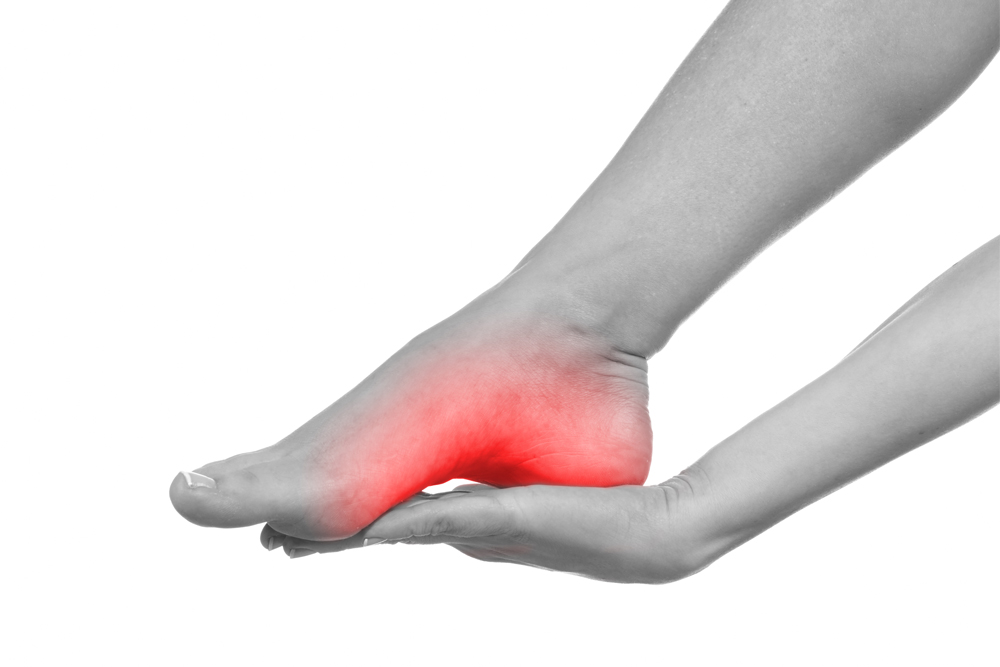
Morton's Neuroma - Image

Morton's Neuroma

(Interdigital Perineural Fibrosis)


Is a common painful condition involving compression of nerves between the long bones of the forefoot just before they enter the toes. Commonly this involves the 3rd and 4th toes, however may affect the 2nd and 3rd toes. Repeated trauma or compression of these nerves causes the nerves to swell and thicken causing a neuroma to develop.


Symptoms


Patients will often experience a clicking feeling in the forefoot followed by a sharp shooting pain or a sensation of numbness or pins and needles extending into ends of their toes. Tight narrow fitting shoes may often exacerbate these feelings which become worse after long periods of standing or walking. Once the problem progresses symptoms will become more frequent and often more intense.


Management


The exact cause of the problem can often vary between patients. An accurate diagnosis must be carefully made by the podiatrist through thorough history taking and direct questioning to ensure all possible causes are addressed. The podiatrist will also gather further information about the cause through a hands on assessment where they will try to reproduce your symptoms. A biomechanical and gait analysis will also be performed to assess whether poor foot alignment and function has contributed to your neuroma.


Conservative


Relief of symptoms can often start by having a good pair of well fitting shoes fitted to your feet ensuring that the shoes don't squeeze your foot together. Once footwear is addressed patients may require a small pre-metatarsal pad to be positioned onto the insole of the shoe to help lift and separate the bones in the forefoot to alleviate the pressure on the nerve. If the patients foot structure and mechanics is found to be a contributing cause, a custom made orthotic is usually the most convenient and effective way to manage the problem. Sometimes an injection of local anaesthetic and steroid is recommended to assist in settling acute symptoms.


Surgery


If pain persists with conservative care, surgery may be an appropriate option. The common digitial nerve is cut and the neuroma removed. This will result is numbness along the inside of the toes affected, and there is a small chance the end of the nerve will form a Stump Neuroma.


Expected outcome


Approximately 75% of people receive symptom resolution with conservative care.

Find out more about...

Web Design Brisbane :: zeroseven