

About Conditions Treated
Sesamoiditis
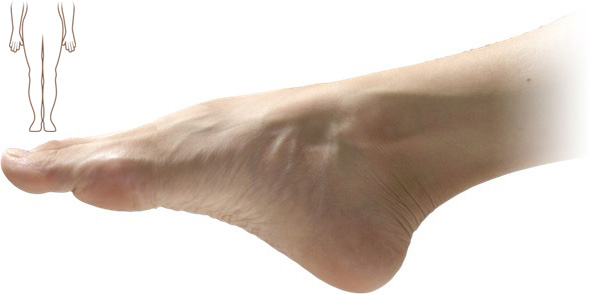
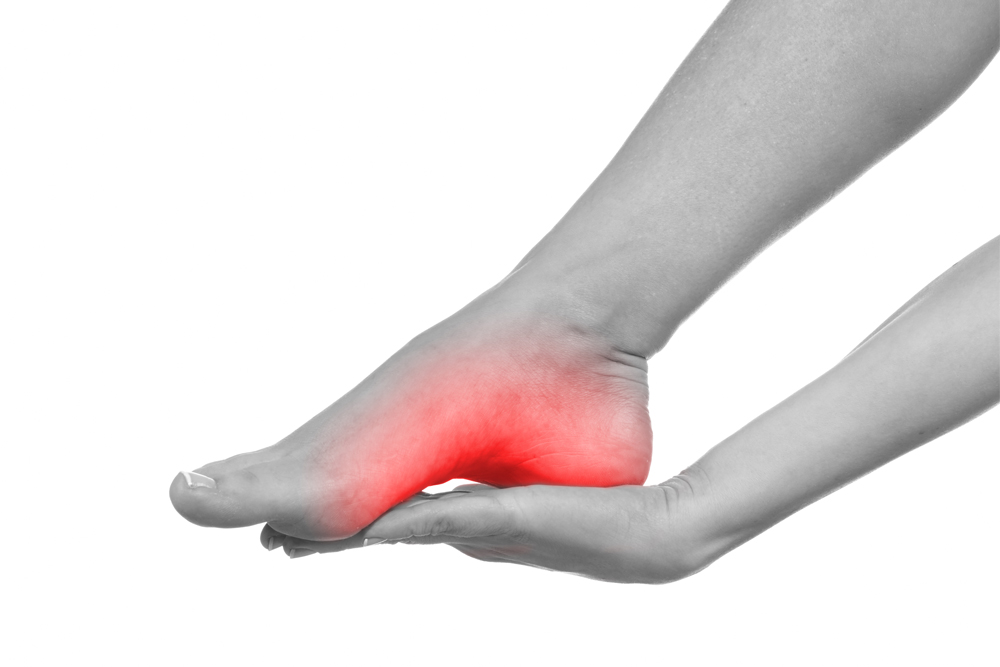
Sesamoiditis is a common ailment of the plantar forefoot, causing pain in the ball of the foot specifically under the big toe joint. The sesamoid bones are very small bones which are located under the big toe joint within the tendons that run to the big toe. They are similar to the knee cap, acting to increase the leverage of the tendons that control the big toe. Due to their location and function they are subjected to massive pressure and forces every time the big toe is used to push the foot forward.
Symptoms
Sesamoiditis typically presents gradually, starting as a mild ache
increasing gradually where it can become an intense throbbing.
People participating in activities and sports that involve
repetitive, excessive loading of the ball of the foot such as
dancing, sprinting or even walking often suffer from this
condition. People with boney, higher arched feet, marked flat feet
or those who tend to run on the ball of their foot also tend to be
more prone to sesamoiditis.
Treatment
Conservative
Treatment will vary between patients and will typically involve a
period of rest from any activities likely to aggravate the problem.
Immobilization strapping, ice and oral anti-inflammatory drugs may
also be utilized to settle inflammation and pain and aid in the
healing process. A soft full length functional orthotic is commonly
used to offload the sesamoids and deflect pressure away from the
painful area. Orthotics are essential in treating an underlying
causative foot condition, such as flat feet (pes planus), high
arched feet (pes cavus), bunions or those with reduced plantar
fatty padding. In the case of persistent severe sesamoiditis or
stress fractures of the sesamoids, the use of short leg Pneumatic
walker with rocker sole (walking cast) for 2 to 6 weeks may be
required. Failing this an injection of steroids or surgery may be
considered.
Surgery
In severe cases or following a true fracture of the sesamoids,
surgery may be required to remove the damaged or fragmented
sesamoid bone. Also in some cases, due to reduced blood supply
there may be delayed or absent healing and a surgical review is
warranted.
Expected Outcome
Most individuals will have immediate improvement is symptoms with
conservative care, with total resolution achieved within months.
Ongoing management may be recommended in those with an underlying
foot condition.
Find out more about...
Conditions Treated
range of foot ailments treated
- About Conditions Treated
- Anterior Knee Pain
- Bunions
- Calluses and Corns
- Feet in Down Syndrome
- Feet in Multiple Sclerosis
- Feet in Stroke Patients
- Footcare & Diabetes
- Forefoot pain
- Fungal Nails
- Growing Pains
- Heel Pain / Plantar Fasciitis
- Ingrown Toenails
- Knee Arthritis
- Leg Length Discrepancy Following Joint Replacement Surgery
- Metatarsalgia
- Morton's Neuroma
- PinPointe FootLaser - Nail Fungus Treatment for Men & Women
- Plantar Fasciitis
- Plantar Plate Tear
- Plantar Warts
- Pregnancy and Your Feet
- Rheumatoid Arthritis
- Sesamoiditis
- Severs Disease
- Shin Splints
- Tailors Bunions
- The Truth About Heel Pain
- Children's Feet
Safe & Secure
Online Shopping
The my FootDr online store is fully secured and your information is encrypted for your protection.