


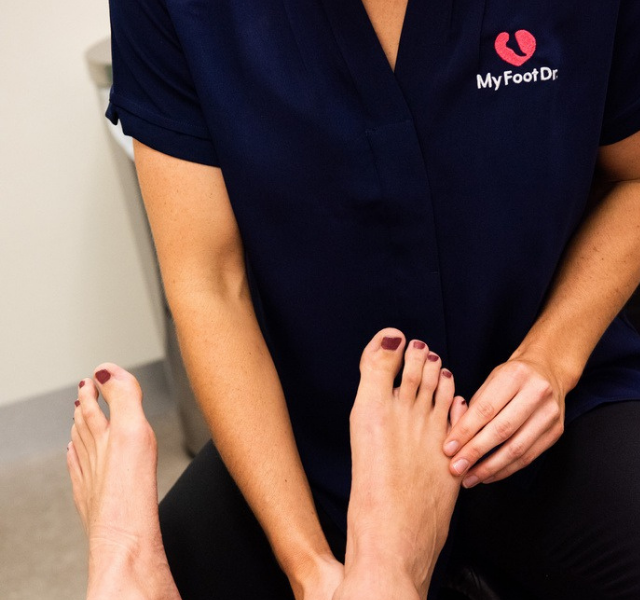
 National Diabetes Week Australia 2026. This week is National Diabetes Week in Australia, with this year’s theme being “Unite for Tech” which is raising awareness for diabetes technology and the power of prevention.
Whether you are living with diabetes or have been told you have pre-diabetes, this week is all about empowering your journey with the right tools, community support and everyday habits. Learn more here click here
Why do I need to see a Podiatrist if I have prediabetes or diabetes?
Often when your doctor diagnoses you with diabetes or pre-diabetes, they will suggest a foot health check with your podiatrist. This can often be confusing. Aside from all the information and overwhelm, what does diabetes have to do with your feet? And if they feel fine at the moment, why would you need to see a podiatrist?
Diabetes can affect your feet over time. It can change the feeling in your feet and the blood flow to your feet. These changes can happen slowly so you may not notice those changes at first.
A podiatrist can help you learn how to care for your feet at home. At your appointment they will check your skin, nails, feeling, blood flow, shoes and any pressure spots. For people with prediabetes, having that baseline data early, and established good foot health habits, can further reduce your risk of complications. For more information on why foot care is important Click here
What is prediabetes?
Prediabetes means your insulin resistance is changing, but you do not yet have diabetes.
Prediabetes is an early sign that your body may need extra help to manage your blood glucose levels. It does not mean you will develop Type 2 Diabetes, but it can mean you have a higher chance of developing Type 2 Diabetes in future.
The good news is that making small healthy changes can help. These changes can look different for everyone. Some people may have other health conditions that affect their energy, weight or ability to exercise.
 Such as
- Eating healthy foods that help your body feel well
- Moving your body in a safe way
- Supporting a healthy weight, where appropriate
- Management of blood pressure and cholesterol
- Ceasing smoking, and reducing your alcohol intake
You do have to make all these changes by yourself. Your GP, diabetes educator, dietitian, podiatrist and other health professionals can help you make a plan that suits your body, health needs and lifestyle
Why can diabetes affect your feet?
Diabetes affects your feet in two main ways.
1. It can affect your nerves. Nerves help you to feel things like pain, temperature and pressure. Over time, diabetes can damage the nerves in your feet. This may make them tingle or feel numb. This may mean you may not feel a blister, small cut or pressure spot. This means you may have a foot problem that gets worse before you notice it.
2. It can affect your blood flow. For your feet to stay healthy they need good blood flow. Blood helps your skin to heal. If blood flow is reduced cuts and wounds may take longer to heal.
Why do I need to see a podiatrist if I think my feet are fine?
You still need a foot check even if your feet do not hurt. This is because foot problems related to Diabetes can start before you feel pain or notice. A podiatrist will check for any early signs of problems. A podiatrist will also tell you if your feet are at a low risk or if you need more regular care. A foot check is about prevention, not just for people who have pain.
What will a podiatrist check?
At a prediabetes or diabetes check, a podiatrist may check your:
 Skin for any hard skin or callous, cuts, cracks or blisters
- Toenails for the shape, any hard skin around them, how you have trimmed them
- The feeling in your feet
- Blood flow
- Foot shape
- Shoes
- Pressure areas
- Gait
They will also let you know each time how often your feet should be checked. A podiatrist can also give advice about how to care for your feet at home.
How often should I have my feet checked?
Most people with prediabetes or diabetes should have their feet checked at least once a year. Some people will need checks more often.
You will need more regular checks if you have
- Numbness, tingling in your feet
- Poor blood flow
- History of a foot ulcer
- Lots of hard skin or corns
- Foot shape changes
- Trouble with trimming your nails
- Trouble seeing or reaching your feet
- Shoes that rub
- A wound or sore spot
For people with high-risk feet they will need regular foot checks every 3-6 months. For people with prediabetes, the timing will be different. Your podiatrist will help decide when the right time is for you.
Signs to look for
You should book a foot check if you notice any of these signs:
- Numbness
- Tingling
- Pins and needles
- Cold feet
- Swelling
- Cuts or cracks
- Redness
- Localised heat
- Blisters
- Wounds
- Shoes rubbing
- Pain
- Ingrown toenails
- Pus or fluid
- Hard skin or corns
Your Podiatrist may also refer to your GP or other health professionals to assist with treating any of these foot problems as they may also affect other parts of the body. For more information about spotting early signs of foot problems click here
Common questions
Do I need to see a podiatrist if my doctor says I have prediabetes?
Yes, begin with a foot check with a podiatrist. You may not need regular visits yet. It can
help you learn what to look for with your feet, check your baseline and help find early
problems before they get worse.
Do I need to see a podiatrist if I have Diabetes but no pain with my feet?
Yes, it is recommended you see a Podiatrist at least once a year. Sometimes pain is not the
best warning sign. If the nerves in your feet are not working, you may not feel a problem.
Can foot problems be prevented?
Many foot problems can be prevented or found early. With healthy habits and daily foot
checks, many diabetic related foot problems can be prevented. For information about
diabetes foot related problems Click here
When should I get help quickly?
Get help quickly from your Podiatrist or GP if you notice:
- A cut that is not healing
- A blister
- A wound
- Redness that is spreading
- Pus or fluid
- A black or blue area
- New pain
- Sudden numbness
- Signs of infection (redness, swelling, warmth, pus, Immobility/Loss of Function)
It is better to check early then wait.
Why are foot checks important?
Foot checks are not just about treating sore feet. They are about keeping you safe and well. A podiatrist can help you understand:
- If your feet are healthy
- If you have good feeling in your feet
- If you have good blood flow to your feet
- If your shoes are appropriate
- If you have any pressure areas
- How to care for your feet at home
- How often you should see your podiatrist
If you have prediabetes or diabetes, regular foot checks can help prevent future diabetes related foot problems from becoming serious. Taking care of your feet is one simple way to stay healthy. For more information about footcare and diabetes click here
References
https://www.niddk.nih.gov/health-information/diabetes/overview/preventingproblems/foot-problems
https://www.diabetesaustralia.com.au/blog/aboriginal-torres-strait-islander-foothealth/
https://www.diabetesaustralia.com.au/about-diabetes/pre-diabetes/
https://www.diabetesaustralia.com.au/living-with-diabetes/preventingcomplications/foot-care/
https://iwgdfguidelines.org/wp-content/uploads/2023/07/IWGDF-Guidelines2023.pdf
https://www.diabetesaustralia.com.au/blog/wound-care-and-diabetes/