Clinical Podiatry
Our centres provide the full scope of clinical podiatry including comprehensive foot assessments, various treatments and surgery.




Our centres provide the full scope of clinical podiatry including comprehensive foot assessments, various treatments and surgery.

My FootDr is a proud supporter of the NDIS and are an innovative, nationally registered provider of podiatry services to NDIS participants across Australia.
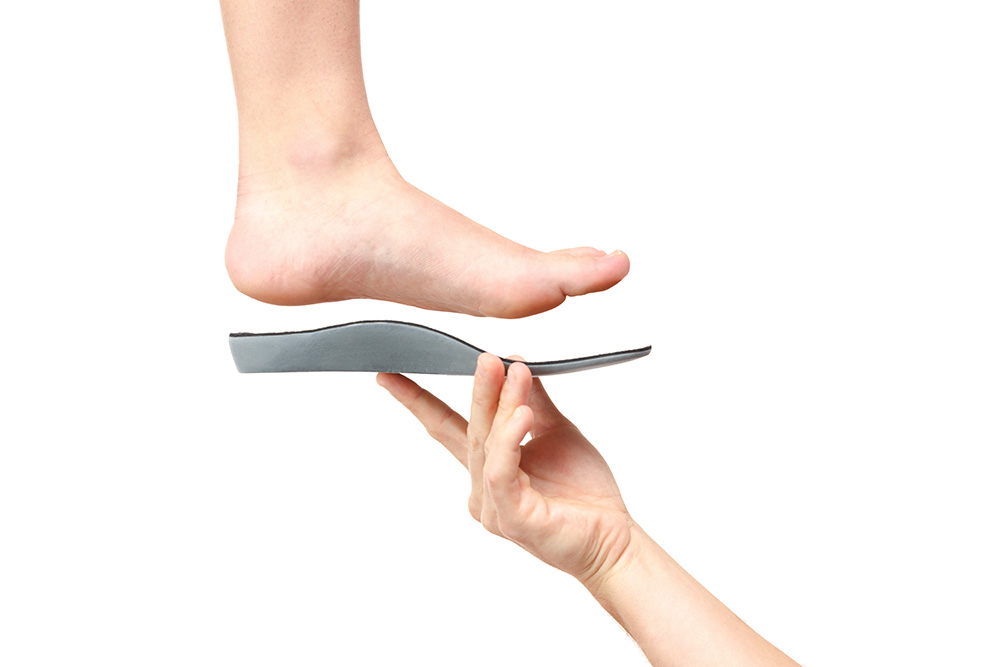
Our custom foot orthotics are manufactured with precision from digital foot scans and are typically available on the same day.
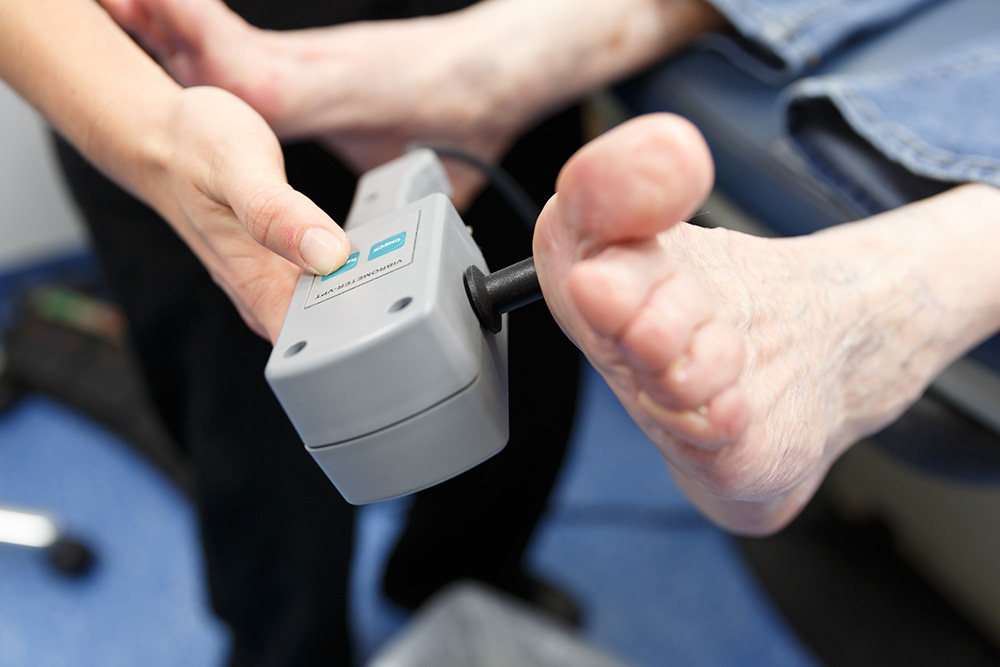
Regular podiatric care plays an integral role in the prevention of diabetic foot complications. Our My FootDr podiatrists are trained in diabetic foot care to make sure our patients have the best outcome.
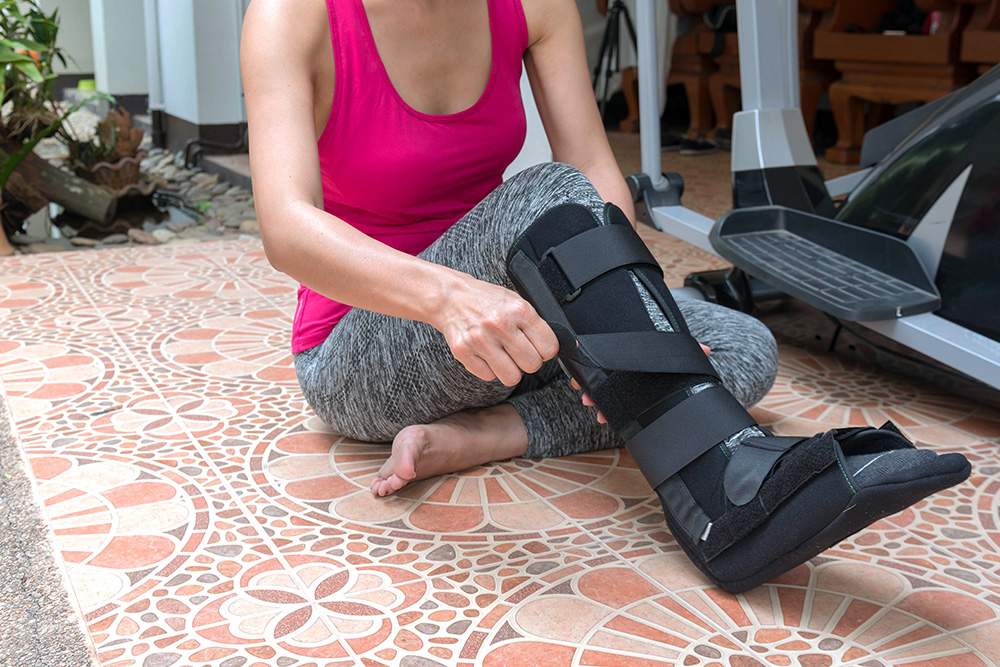
CAM Walkers, otherwise known as Moon Boots, are an integral part of the recovery process for many patients with foot, ankle or lower leg injuries. They are designed to optimise your recovery, helping you attain optimum and timely results.

At My FootDr we are passionate about providing all our patient’s treatment options that lead to better health outcomes for not only themselves, but their families too. Being a preferred provider of a health fund means that our clinics may allow you access to exclusive benefits dependent on your level of cover.


We use this advanced form of motion analysis to assists us in diagnosing complex motion related pathology of the foot, ankle, knee hip and lower back.
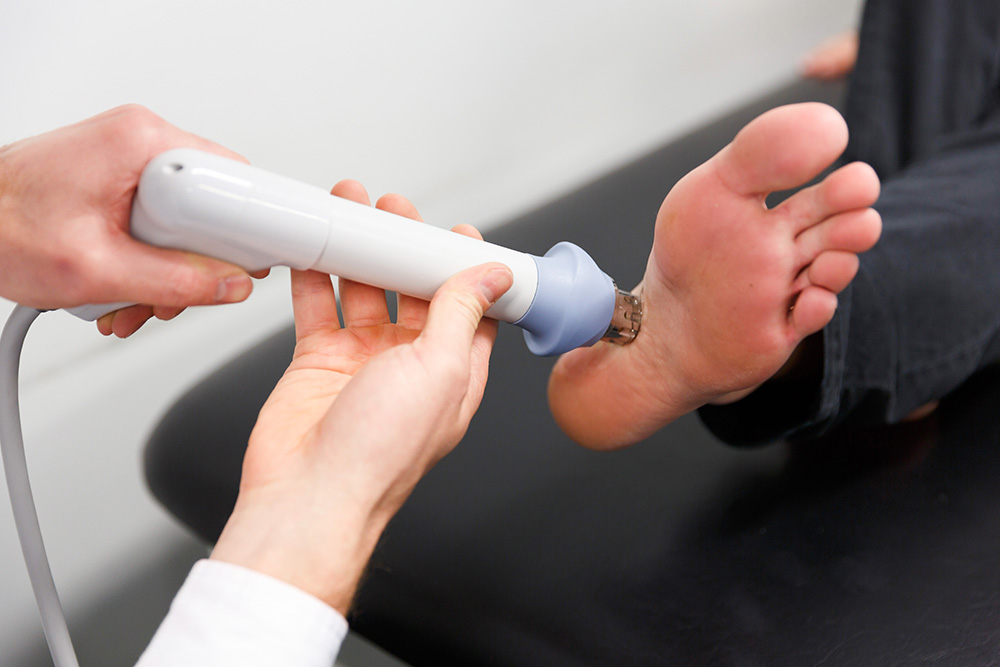
At My FootDr podiatry centres, we use shockwave therapy successfully every day on Achilles tendonitis, plantar fasciitis, painful trigger points and other musculoskeletal disorders of the foot and lower limb.
My FootDr has proudly partnered with Physiologic Robina and is located at 334, Scottsdale Drive, Robina. Combined with a holistic approach to your foot health and easy-access to other multidisciplinary services all under the same roof.
Our clinic is equipped with state of the art diagnostic and treatment equipment, including video gait analysis systems for comprehensive bio-mechanical examinations, 3D foot scanners and much more.
Our podiatrists are trained to include a wide range of foot, ankle and lower leg conditions including heel pain (plantar fasciitis), Achilles Tendinopathy, shin splints (medial tibial periostitis), bunions (hallux valgus), forefoot pain (Morton’s neuroma), foot and ankle sprains, knee pain (e.g. patellofemoral pain syndrome) and sports injuries.
Parking is available at the front of the clinic and at the rear of the clinic.
Originally Published 29 March 2018
If you’re wincing the moment your feet hit the floor each morning, you’re not alone. Pain on the bottom of the foot, especially around the heel or arch, is one of the most common concerns our podiatrists hear from patients.Your feet are made up of dozens of small bones, muscles, ligaments and tendons, so working out exactly what’s causing your pain isn’t always something you can do yourself. That’s where a podiatrist comes in. We can assess your feet, get to the root of the problem, and help you find lasting relief.For most people, pain on the bottom of the foot won’t simply disappear on its own. The good news is that with the right treatment, it’s very manageable. In fact, one of the most common causes we see in clinic is plantar fasciitis.
Having warts on the bottom of the feet that won’t go away is a frustrating, ongoing problem that can last months or even years. They can make walking unpleasant but also painful. While many people are told that they should just wait for the wart to go away on its own, or to use padding in the meantime that only ever provides a little temporary relief, the reality is that when left untreated, warts can stick around for a very long time.
What are plantar warts and how are they caused?
Plantar warts are small, rough, round growths that are medically known as verrucae and present on the bottom of the foot. They’re caused by a virus called the Human Papilloma Virus (HPV) in the outer skin layer and are often contracted in childhood. Once you’ve contracted the virus, you’ll always have it in your system, so plantar warts may pop up spontaneously throughout your lifetime.
Ingrown toenails on a woman's foot, pain in the big toe closeup
Ingrown toenails, also known as onychocryptosis, are a common and painful complaint. A true ingrown toenail is when a spike or edge of nail pierces the skin at the nail edge. This is known as the sulcus and can cause inflammation and even lead to infection.
There are a variety of factors that can cause ingrown toenails. The most common cause is due to improper cutting of your toenail and leaving a spike of nail in the sulcus. It can also be a result of a curved nail, known as an involuted nail, from external pressure.
If you are experiencing pain, redness, and swelling around your toenail, it may be time to consider seeing one of our podiatrists. With over 30 years of combined experience in treating foot and ankle conditions, we have successfully treated many cases of ingrown toenails.