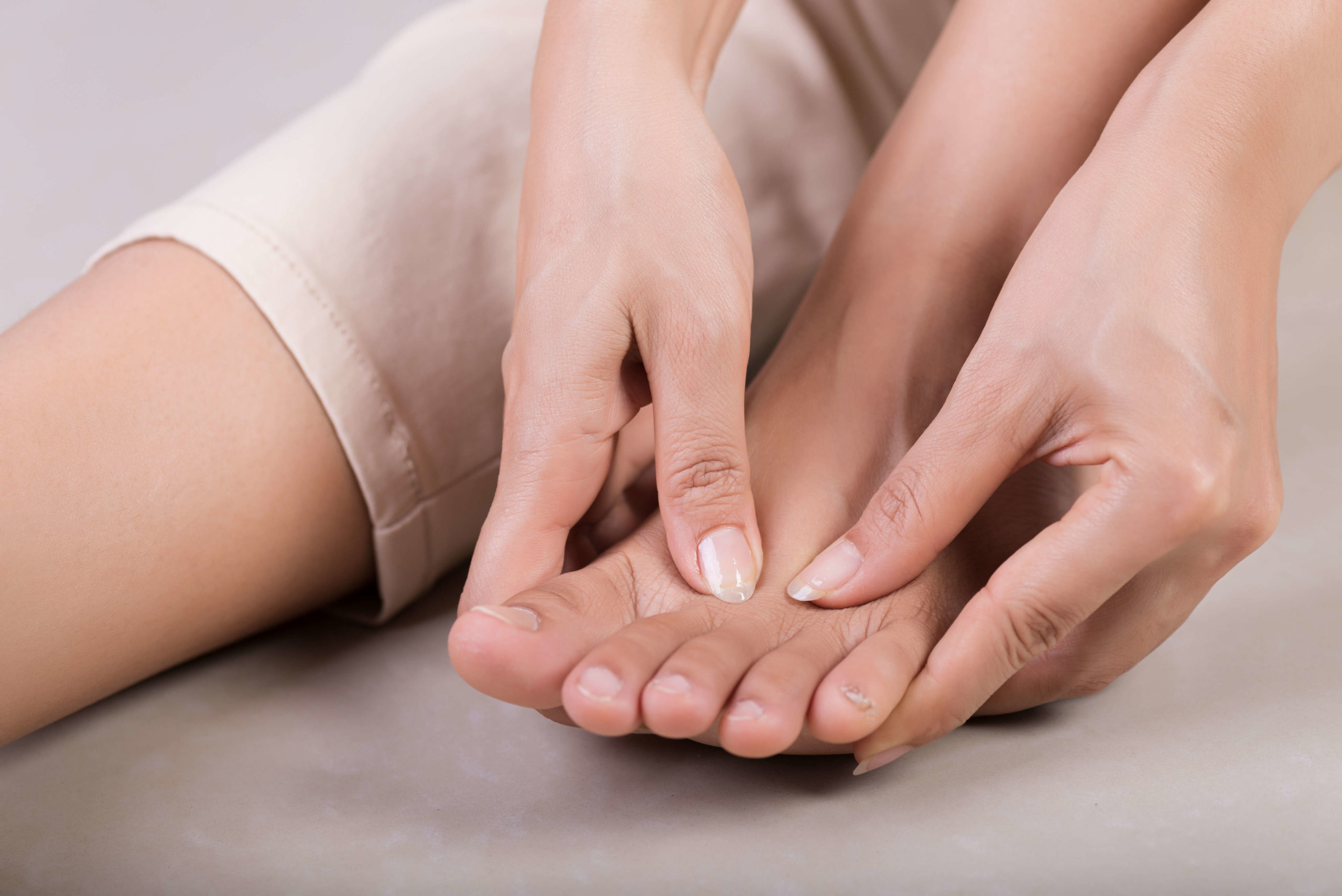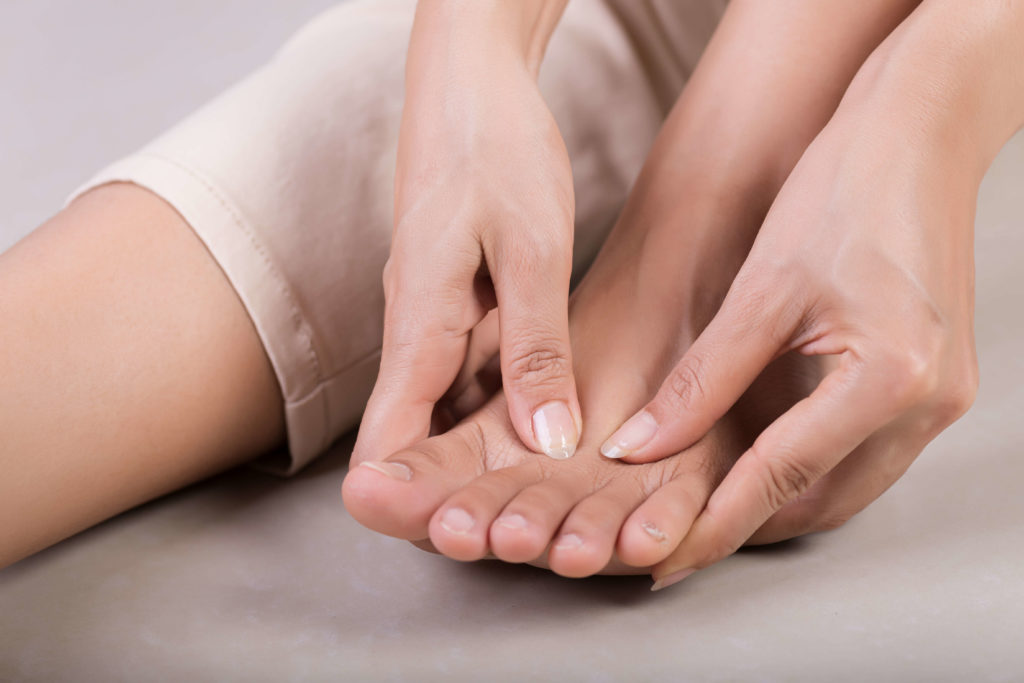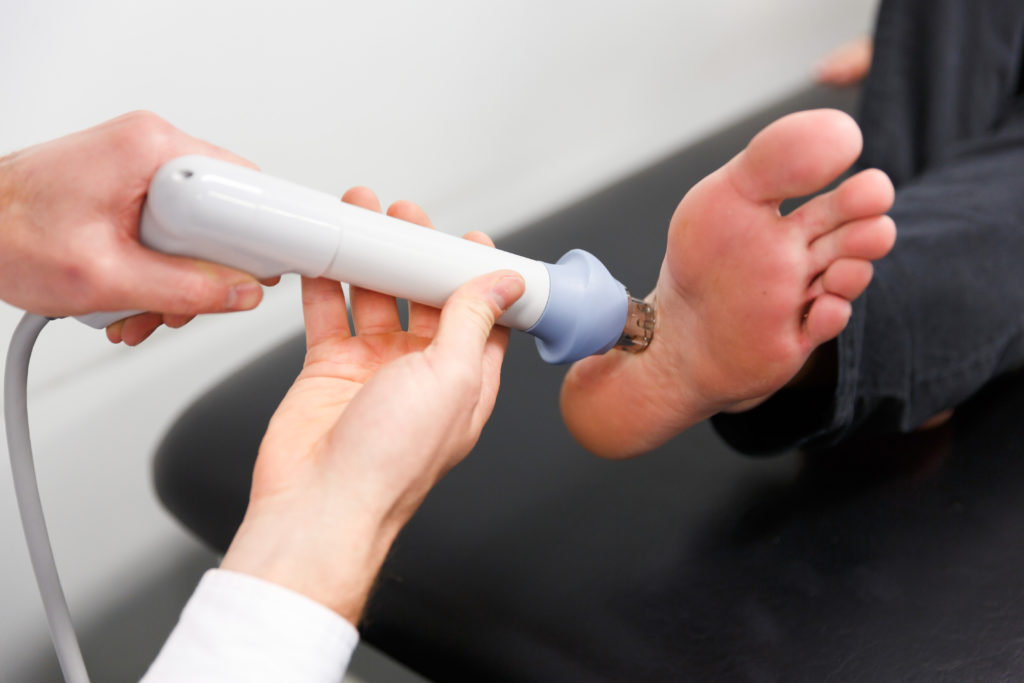




Morton’s neuroma is a fairly common condition that affects the ball of the foot and the toes. People with the condition may experience pain and discomfort and difficulty walking.
For some people, the condition can lead to chronic pain that makes it very difficult to bear any weight on their foot at all.

However, there are also some people with Morton’s neuroma that do not experience any symptoms.
Let’s look at what a Morton’s neuroma is, the symptoms and what you can do about it.

What is Morton’s neuroma?

Morton’s neuroma refers to a thickening of the tissue around the small nerves leading to the toes. Morton’s neuroma most typically affects the area between the third and fourth toes.
Despite the name, the condition is not a true ‘neuroma’, which is a benign tissue tumour. It is a fibrosis of the nerve – meaning excess connective tissue growth. Read more

Over 40 and participating in high-intensity activities?

Tips to avoid developing peroneal tendinopathy.

Peroneal tendinitis (or peroneal tendinopathy) is a condition that causes pain around the outer side of the ankle and foot. There are two main tendons on the outside of your ankle – the peroneus longus and peroneus brevis. The role of these tendons is to stabilise the ankle, stabilise the arch of the foot when walking and to turn the foot outwards.

They can become painful when structural changes occur in response to increased load and overuse of the tendons, without ensuring sufficient recovery time between activities. Around the ankle and foot, tendons are often protected by layers of connective tissue known as tendon sheaths. If symptoms are left to progress, inflammation of this tendon sheath worsens, and this causes greater ankle pain, and dysfunction. Read more

Should I worry that my child has flat feet?

We’ve all wondered about it. We’ve all heard cautionary tales from friends, neighbours or relatives. But just how worried should you be about your child’s “flat feet”?

One of the common reasons children present to our clinics is to be assessed for flat feet, often with pain. This is because around 15% of children have flat feet.1 As more people are becoming foot conscious, parents are trying to get ahead of the game by spotting anything that could cause issues for their children in adulthood.

Read more

As an athlete, your feet are your foundations for success in your chosen sport. The 26 bones, 33 joints and over 100 muscles, tendons and ligaments present in each foot are responsible for working together to produce healthy, stable movement. And a lot of the time, this movement will be strenuous – high impact forces on the feet, rapid changes in direction, quick decelerations and accelerations, high jumps – you name it.

Read more

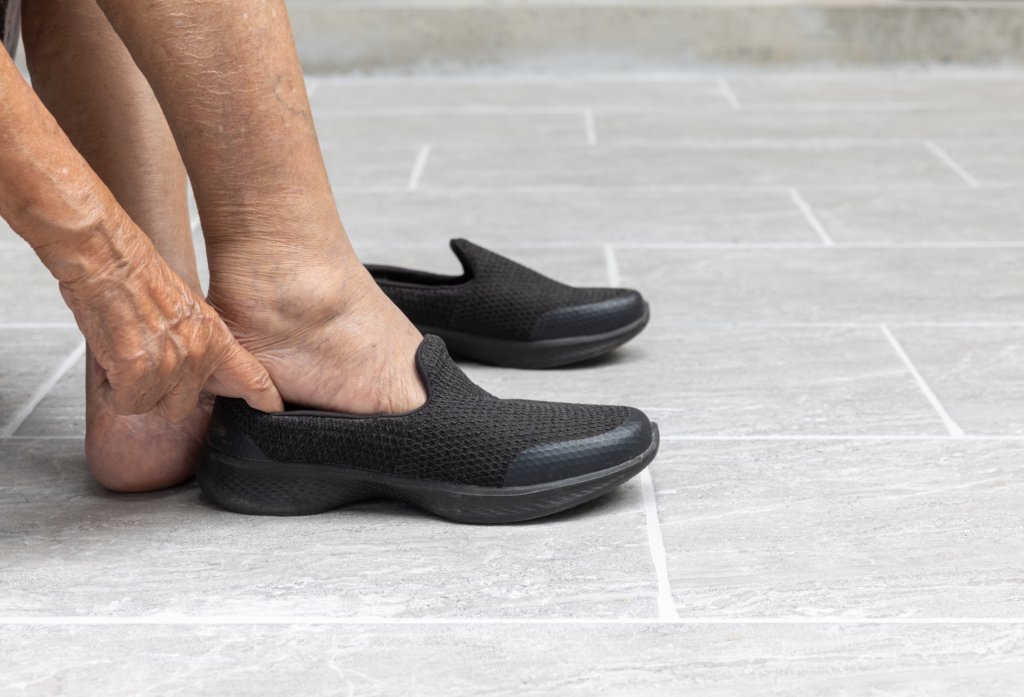
It’s easy to think that the key determinants of good shoes at any age are having the right length and width paired with optimum comfort. While these factors are indeed essential, when it comes to older feet, it is important to take into account the natural changes that occur to the body and feet with age, and the cumulative effects of spending over half a century on our feet, especially with more Australians retiring later in life.

Read more

We’re all familiar with the sudden, painful and involuntary tightening of the muscles in our feet or legs known as a cramp, and in pregnancy, cramps often become even more common, affecting over 50% of women during the second and third trimesters. But what are cramps, why does pregnancy bring them on, and is there anything that can be done to help with cramps? Today, our podiatrists are talking all about foot and leg cramps in pregnancy.

Read more