How to remove dead skin from the feet

Frustrated by patches of dry, thick skin on your feet? Whether they’re causing you pain, making it difficult for you to wear shoes comfortably, or you simply don’t like the way they look, removing dead skin from the feet can give immense relief while being painless – when done safely and correctly.

Today, the Podiatrists at My FootDr are sharing everything you need to know about dead skin on the feet, including preventing it before it starts, and how to remove it safely. 

Why Does Dead Skin Build Up On The Feet?

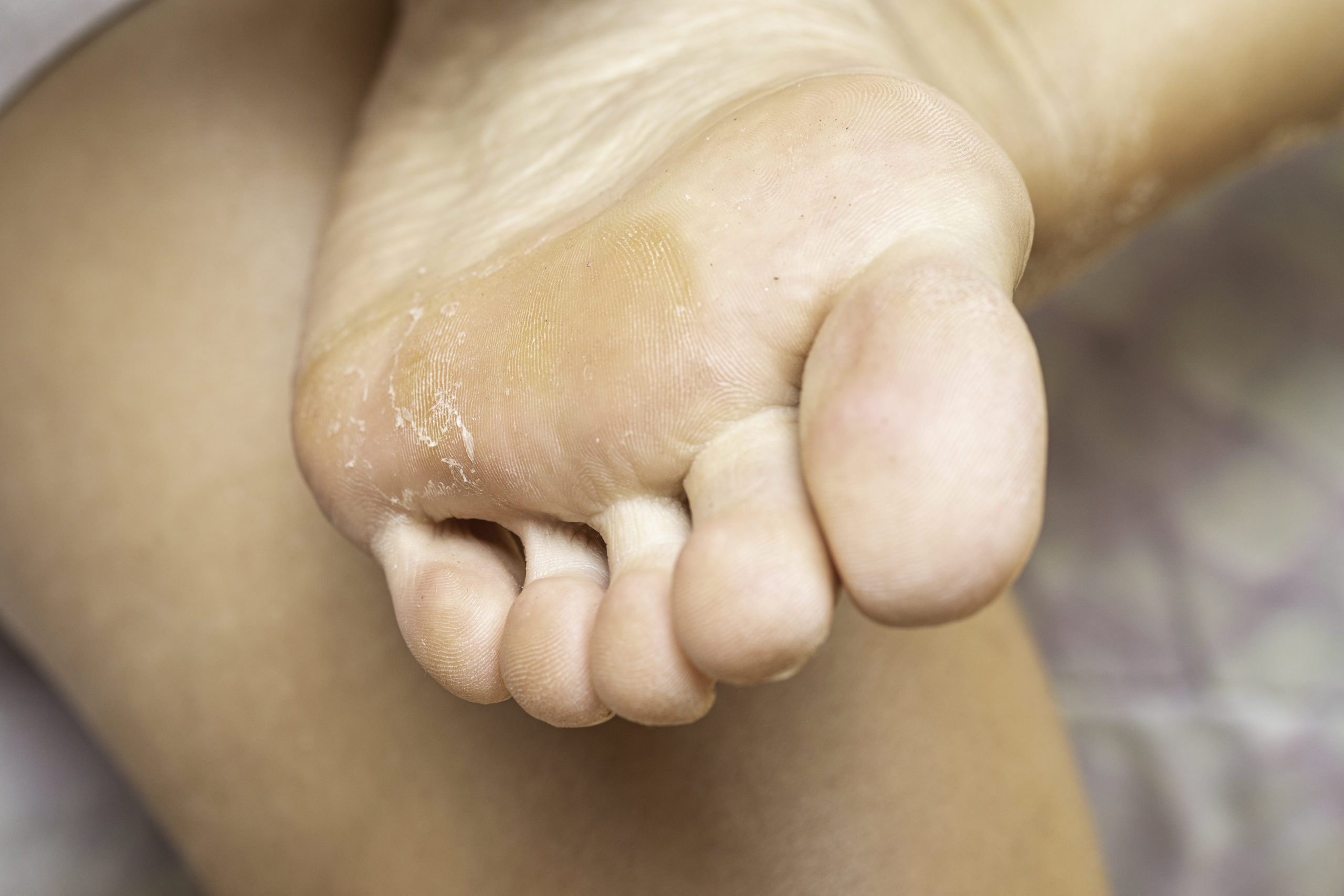
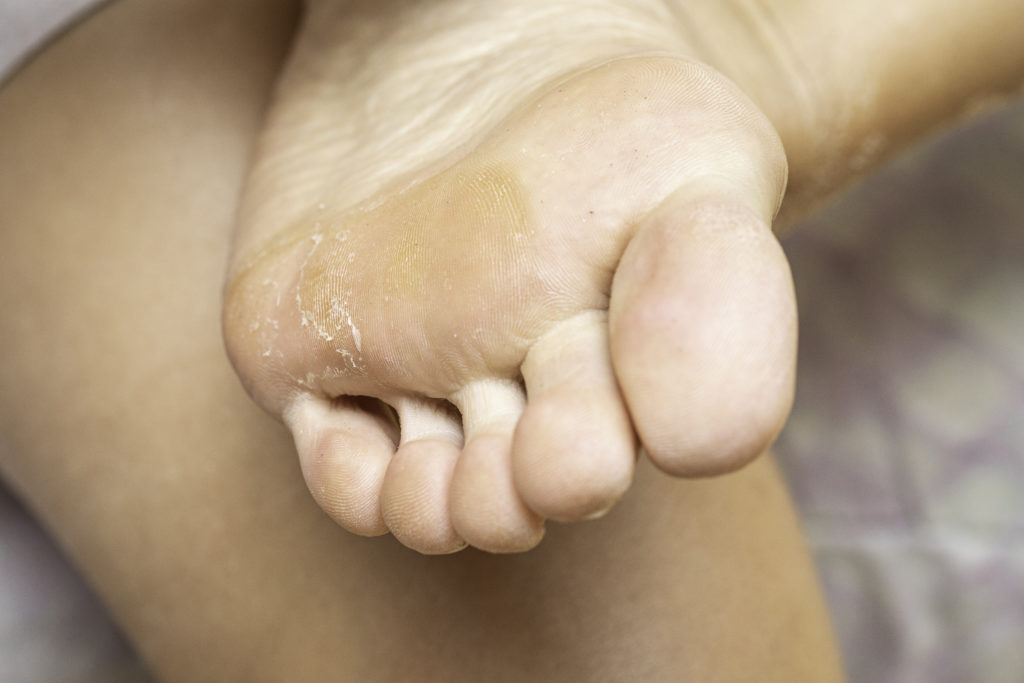
We call this dead skin callus, and it develops as part of a natural process where your body responds to excess pressure or friction to an area of the foot by adding new skin in these specific spots. This creates a protective barrier which prevents the friction from damaging the skin over your feet, which may otherwise cause a skin tear, leaving you vulnerable to infection, pain and other problems.

If your dead skin appears flakier than thickened, then you may have skin dryness, an Athlete’s foot fungal infection, or other skin condition like psoriasis.

Are Patches Of Dead Skin On The Feet Dangerous?

Having patches of dead skin on the feet is not a reason to sound alarm bells, especially when present in small amounts without discomfort. However, it is important to understand the warning signs and what to look out for, particularly when the callus becomes quite thick. You should consider having the callus safely removed when:

  • It starts causing you pain and discomfort when walking
  • Wearing shoes is painful and uncomfortable, especially as you may develop other problems like blisters
  • You feel like you’re walking on a pebble
  • The callus dries and becomes cracked. This often occurs at the heels and if the cracks penetrate deep enough to reach the healthy skin beneath, may cause bleeding and leave you vulnerable to infection

Often, when we remove callus in our clinic, we find that there are also one or multiple corns present beneath the callus that adds to the painful problem. See the difference between corns and calluses here.

Safely Removing Dead Skin From The Feet

When callus is removed correctly, it is not painful, as it is dead skin with no nerve endings or blood supply. Unfortunately, we see many people after they have attempted to reduce their calluses at home but have created a set of new problems as a result. Some remove too much callus, painfully cutting into the healthy skin beneath. Remember – the callus developed as a natural body response to unnatural or excessive pressure or friction, so it’s important to leave a layer intact to continue to protect the foot, and never remove too much so that you cause skin damage.

Others use pharmacy medications, often acid-based, to ‘eat away’ at the callus. Unfortunately, these often come in size-specific coverings, and will get to work on whichever area of the skin they come into contact with – whether it is callused or not. This means the acid can move onto the healthy skin and cause significant pain and damage. 

The safest way we recommend to remove the dead skin is to have it professionally removed by your podiatrist. This is particularly important if your feet are already at risk from conditions like diabetes, problems with blood flow or healing, and the like. Here at My FootDr, we carefully debride the right amount of callus to give you relief and comfort while keeping your feet protected and minimising your risk of infection. If any corns are present beneath the callus or on other areas of your feet, we’ll remove these too. 

Prevention Is Better Than The Cure

While callus is easily treated by our experienced podiatrists, its development can also be prevented or slowed. Our top tips are for prevention are:

  • Avoid tight, hard and uncomfortable shoes that rub against the feet
  • Reduce areas of high pressure using custom foot orthotics
  • Keep your feet moisturised and prevent them from becoming dry

If you do have callused dead skin and want it gone in one appointment, we’re here to help. We’re proud to be your trusted local podiatry providers, committed to delivering exceptional service, every time. 

Book your appointment with us online here or call us on 1800 FOOT DR.

My FootDr Kids on the Move

Don’t miss the ‘chance’ to get the kids active before heading back to school!

It’s back to school time, meaning our little ones will be back to learning, homework and sitting down for long periods of the day. Having to learn and remember a large amount of material each day can be very draining for kids, so make sure you give them a brain-break with exercise and energy busting activities! Getting your kids moving not only has many health benefits but can also help them at school with:

Kids on the move has created this convenient and effective energy-burning workout: All you need is a deck of cards!

Materials

  • Deck of cards
  • A piece of paper and pen (optional)

How to play

  1. Choose four different active exercises that you feel your kids can safely and confidently perform.
  2. Assign each exercise to a suit. Write down each suit to its assigned exercise.
  3. Shuffle the cards and place them in a draw pile, face down.
  4. Every player picks a card and performs the exercise corresponding to the suit and performs the exercise the same amount of times as the number on the card (Jack = 10, Queen = 11, King = 12, Ace = 13).
  5. Continue choosing cards until the whole deck is used (or you get too tired).

Have fun assigning different exercises to the suits!

We’ve also provided detailed instructions for how to perform these exercises in the downloadable PDF below

Download and Print Here
Kids on the Move Pinterest
Disclaimer: The information on our site is NOT medical advice for any specific person or condition. It is only meant as general information. If you have any foot and lower limb questions and/or concerns about your child or your feet, please contact your local podiatrist. If you have any general medical questions, please contact your health provider. For the full terms of use visit myfootdr.com.au/kids-on-the-move-terms-of-use/

swollen ankles

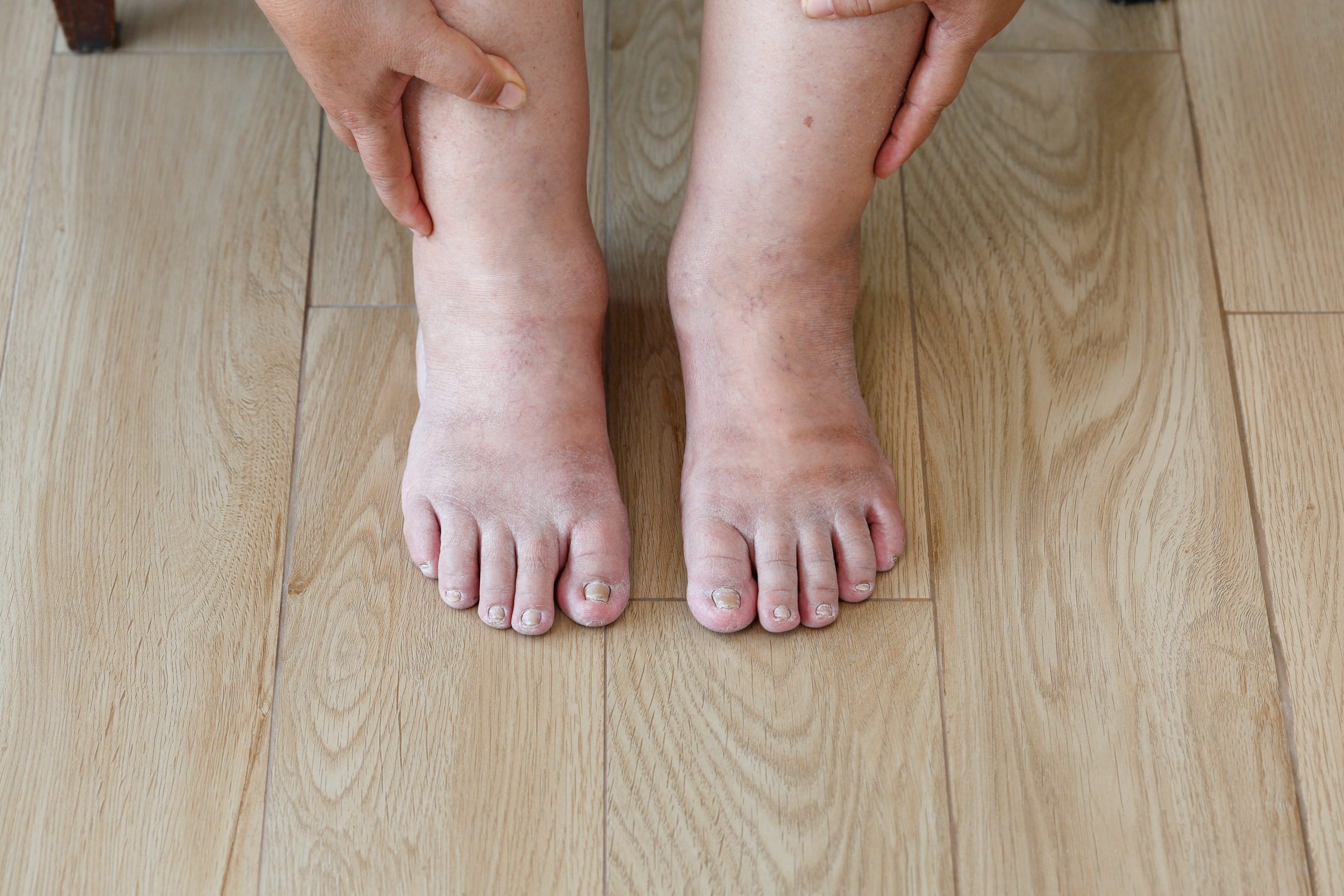
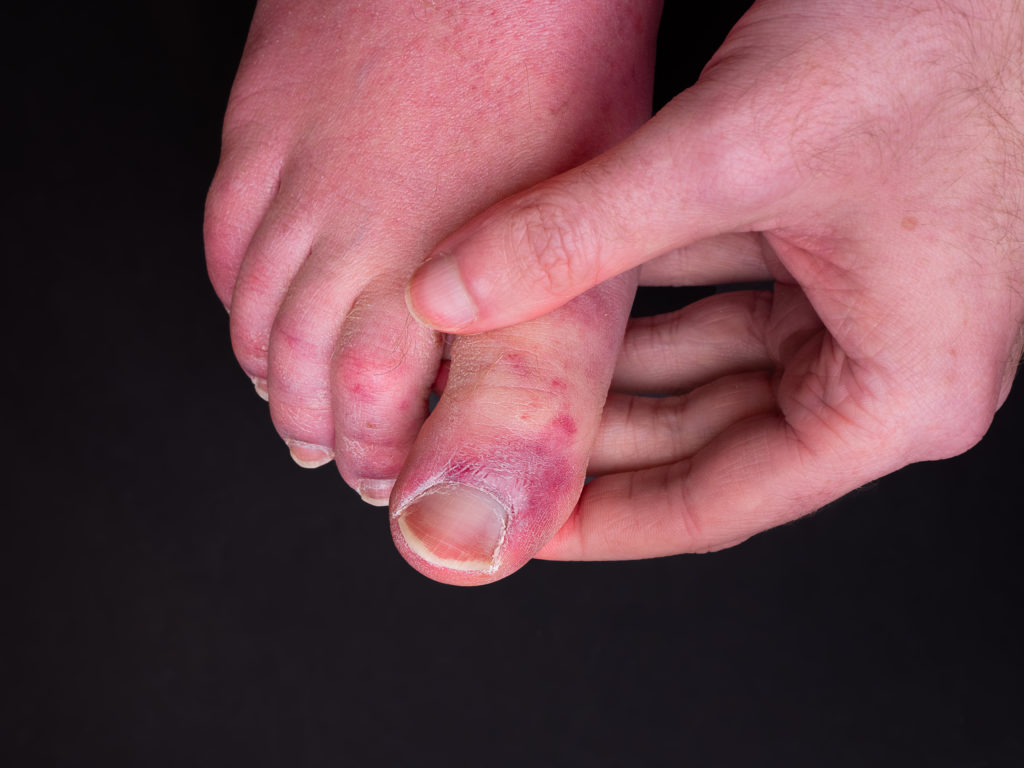
Do you have swollen feet or ankles after you’ve been sitting, standing or walking in a hot environment? You’re not alone. Medically known as heat oedema, this uncomfortable swelling generally occurs because the heat from your environment causes your blood vessels to naturally expand (dilate). As they do, fluid can leak into the surrounding tissues. Pair this with gravity encouraging the passage of larger volumes of fluid down into the legs, and you’ve got swollen feet, ankles and even legs.

Read more

Ever wondered if your nails grow at the same speed? Our toenails grow 2-3 times slower than our fingernails! It’s very important to cut and look after toenails correctly to avoid ingrowing and infections, otherwise you’ll be waiting a while for the nail to grow out.

Can I stop ingrown toenails in my child?

It’s estimated that 50% of ingrown toenails in kids and adolescents are caused by nail cutting technique. Usually if our patients are suffering from ingrown toenails and have poor cutting technique, we observe the following:

  • Nails that curve down into the edges
  • Nails that cut deep down into the edges
  • ‘Picked’ or ripped off nails

These issues are easily preventable by always cutting the nails straight across with nail scissors.

How to correctly trim toenails

  • Trim straight across your toenails
  • Use proper nail trimming scissors or straight-edge clippers every time 
  • Manage sharp ends gently using a nail file
  • Leave just a couple of millimetres of white nail at the tips
  • Aim to trim or check your child’s toenails every month

Need fast relief from ingrown toenails?

Our podiatrists offer ingrown toenail treatment so make sure to make an appointment if you, or someone you know is suffering.

Feet pampering

Every year, the average Australian takes over 2.7 million steps. That’s a lot of weight, pressure, heat and kilometres for our feet to cover – and often with little rest or breaks in between. With Valentine’s Day around the corner, we thought we’d swap out the notion of roses and chocolate with a thoughtful gift that will be very welcome by your partner or yourself – caring for your feet.

Here are five ways that your local My FootDr clinic can help care for and pamper your feet this Valentines Day – while doing your feet a world of good medically speaking to keep you going through all those steps.

Pamper your feet valentines day

1. Cosmetic Nail Restoration

Cosmetic nail restoration is loved by both men and women, and those that:

  • Are unhappy with the look of their toenails
  • Are battling a fungal nail infection
  • Have trauma to their toenails from an injury or accident
  • Have medical conditions like psoriasis that are changing the appearance of their nails

It’s also the perfect solution to improve the appearance of toenails in one appointment for those that don’t want to risk substandard safety and hygiene protocols, and hence infection risk, reported to be found in many traditional nail salons due to a lack of sterilising instruments between use on multiple people. 

Using the KeryFlex proven nail restoration system, our experienced and board-registered podiatrists create a flexible, non-porous and realistic looking nail over your existing nail. It is durable and is unaffected by acetone, nail polishes or detergents – meaning you can paint it as you please! Aside from the immediate improvement in appearance, your natural nail will continue to grow out beneath the new nail.

Learn more about Keryflex here.

2. A Skin And Nail Care Appointment

Our skin and nail care appointments, often referred to as ‘general or clinical podiatry’, are comprehensive and all-inclusive appointments that immediately care for your nail and skin concerns, give your feet a fantastic tidy-up, and leave you feeling much more comfortable on your feet than when you first walked in. 

With the majority of our patients having these appointments every 6-8 weeks to keep their feet feeling great and in tip-top shape year round, we welcome you to experience this foot care, completed by our experienced podiatrists, as a one-off treat, too. Your podiatrist will take care of any lumps, bumps and even the thickest or curliest of toenails. This includes:

  • Immediate and pain free removal of corns on toes and feet
  • Conservative care for ingrown toenails (non-surgical)
  • Reducing thick, cracked heels
  • Removing or reducing thick and uncomfortable patches of callused skin
  • Trimming toenails, no matter how thick or stubborn
  • Clearing the sides of the nails from debris and hard skin build-up
  • Starting to care for plantar warts

We love these appointments due to the immediate relief patients feel when they put their feet down on the floor after this care – which is often the difference between feeling like they’re constantly walking on a pebble (of hard skin beneath their feet) and feeling like they’re walking on air.

3. Care For Cracked, Painful Heels

While some people get away with minor cracks that can be cared for in a skin & nail care appointment (above), after a long summer and many months of wearing thongs – which many still wear daily – cracked heels are a big problem around this time, that we see and treat very effectively with these specific appointments.

As cracked heels start with hard, dry skin that thickens and worsens over time, our podiatrists work to remove all the excess dead skin – a process that is usually simple and painless using our sterile instrument range. We ensure that no sharp edges are left that will catch on your carpet or socks, which could otherwise pull the skin, creating significant damage.

Treating cracked heels now, and not at the end of the summer, is a great preventative measure to stop cracks progressing deep down into the healthy, supple skin beneath. We call this the danger zone, as deep cracks in this area can quickly leave you vulnerable to infection by creating portals of entry for bacteria, fungus, viruses – and a great deal of pain – that you often can’t reach on your own.

4. Comfortable Footwear

Our shoes become the ground we walk on and determine what and how our feet feel. That’s why if you choose your ground to be a hard plastic, the chances of your feet feeling tired and achy, or the chance of you developing foot pain, is much higher.

This is exactly why so many of our clinics offer a footwear range so you can try on and get the best shoes for your feet – and not just that feel great, but fit your foot type, too. We have podiatrists and trained staff available to ensure you get the best fit and maximum comfort.

Don’t have a My FootDr near you? That’s okay! We have an online store too.

5. Treating Those Lingering Aches Or Pains

Finally, the best way we can think of to treat your feet this Valentine’s Day – or help your loved ones treat theirs – is to care for those lingering aches, pains or injuries. You know, the ones you may be hoping will get better on their own, or that you know you need to have seen, but it’s been a crazy last 12 months (which it absolutely has!). 

This is done through a biomechanical appointment, where our experienced podiatrists look at:

  • Which tissues, muscles, ligaments or structures are causing your discomfort or pain
  • The strength and flexibility of the involved joints and muscles
  • Your foot posture
  • Comprehensive analysis of your gait (the way you walk) and how your feet and legs engage during walking and/or running
  • Pressure testing of both feet

Alongside your history and a series of other questions, this consultation will determine the how, what and why of what’s going on – followed by an optimal plan to get you pain-free and feeling great!

Ready To Feel Great On Your Feet?

Our podiatry team are ready when you are! As the largest podiatry provider in Australia, we’re proud to be your trusted local podiatry providers, committed to delivering exceptional service, every time. Book your appointment with us online here or call us on 1800 FOOT DR.

Dark spots on toes

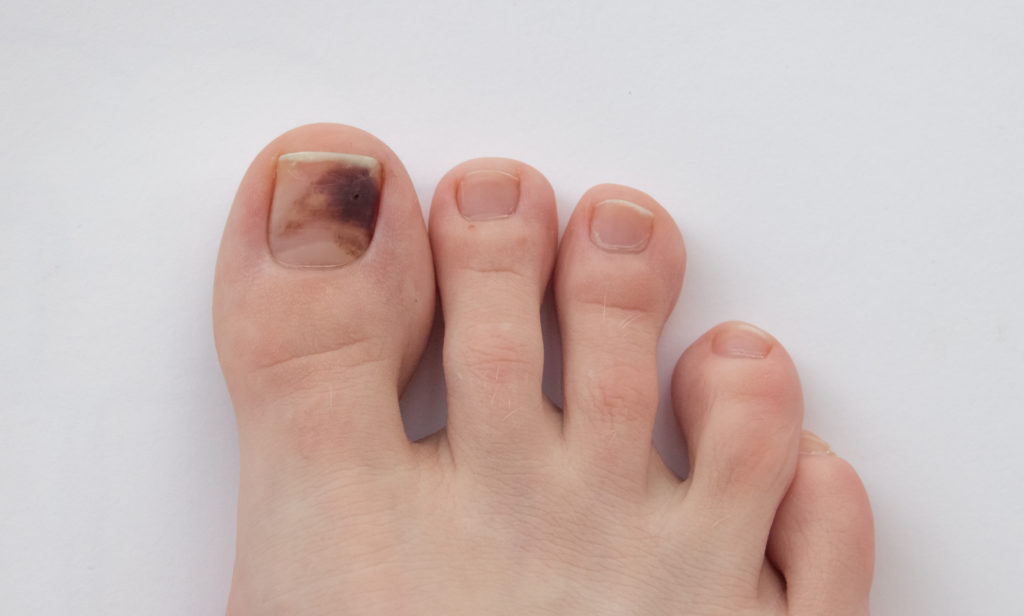
Dark spots on the toes and feet are both a cause of concern for many patients we see and treat here at My FootDr. From wondering if they’re a sign of something serious, to being aesthetically displeasing, patients often ask us how they can get rid of the discolouration, fast.

To help, our podiatry team has shared the common causes of dark marks we see on the feet and toenails, what they mean, and what can be done to remove them.

Dark spots on the toes
Read more

This ‘Fitness Fortune Teller’ will get the whole family moving!

As podiatrists and parents, we know how important it is to keep our kids active and moving. Keeping active is not only an important part in maintaining our kid’s overall health, but foot health too!

Kids on the Move has created this fun and simple ‘Fitness Fortune Teller’ activity that you can download and print for easy fun at home. The fitness fortune teller includes various active movements for the players to complete, putting a ‘fitness’ spin on this classic school-recess activity.

Download and Print Here

How can exercise benefit my child’s health?

Getting your kids moving can have many benefits including:

  • improving strength
  • coordination
  • flexibility
  • posture
  • building confidence

If you have any questions or concerns about your child’s balance, walking or anything lower limb related, our podiatrists are highly skilled at assessing children’s feet and lower limb biomechanics.

Kids on the Move Pinterest
Disclaimer: The information on our site is NOT medical advice for any specific person or condition. It is only meant as general information. If you have any foot and lower limb questions and/or concerns about your child or your feet, please contact your local podiatrist. If you have any general medical questions, please contact your health provider. For the full terms of use visit myfootdr.com.au/kids-on-the-move-terms-of-use/


Black hematoma on toe nail
black spot beneath the nail

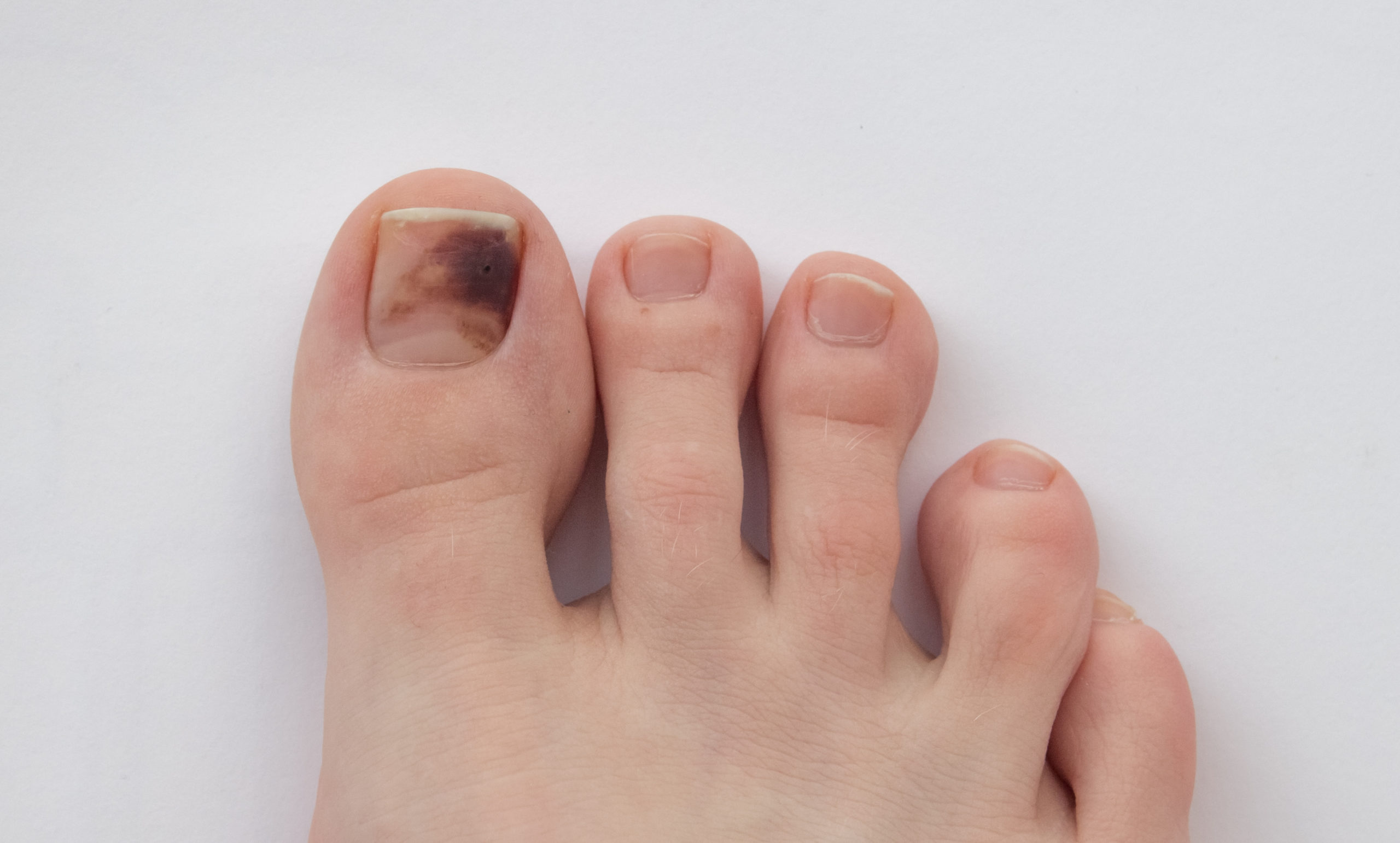
As having black spots beneath our toenails is far from the norm for most people, it’s not surprising that they can ring alarm bells and cause concern. Especially when we think back to favourites like Bob Marley who passed away at age 36 from a melanoma (which appears like a dark patch under the nail) that started beneath his toenail.

Read more

What Happens When You Lose A Toenail?

So you’ve lost – or are well on the way to losing your toenail. It’s likely your big toe, though any toenail can come loose, and it likely pops to the forefront of your mind anytime you put on or take off socks and shoes because you’re worried that whatever is left may catch on the fabric and be painfully ripped off. Sound familiar?

Read more