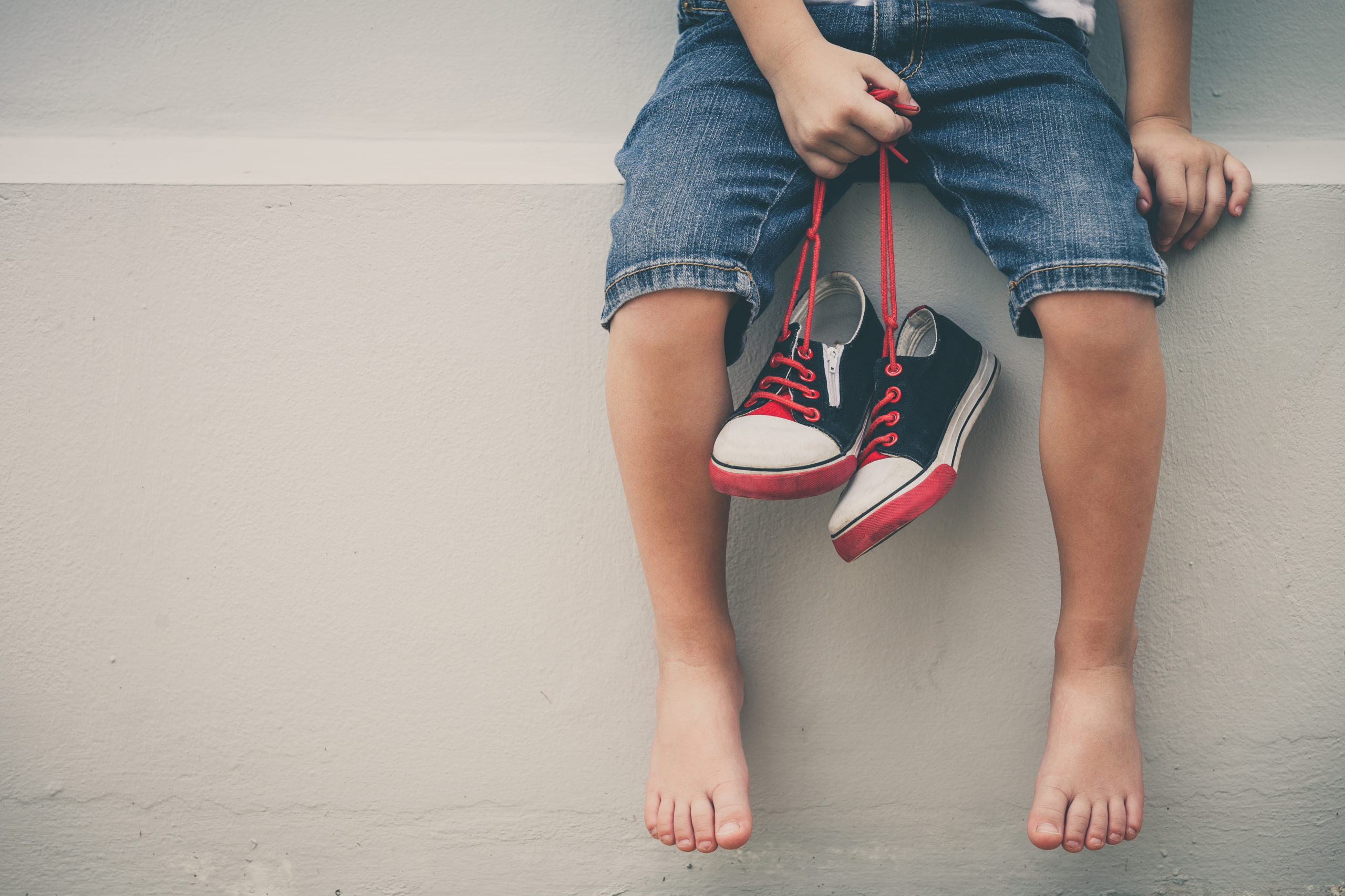
You may be a parent wondering if buying your child that new pair of shoes is a good idea, or if they’ll just outgrow them at the speed of light like they did with the last pair. You may have gone up a shoe size recently and have found yourself wondering didn’t my feet stop growing years ago?
Whatever the reason you’re here, the podiatry team at My FootDr have answered this age-old question and given you all the ins, outs and exceptions below.
It starts with growth plates
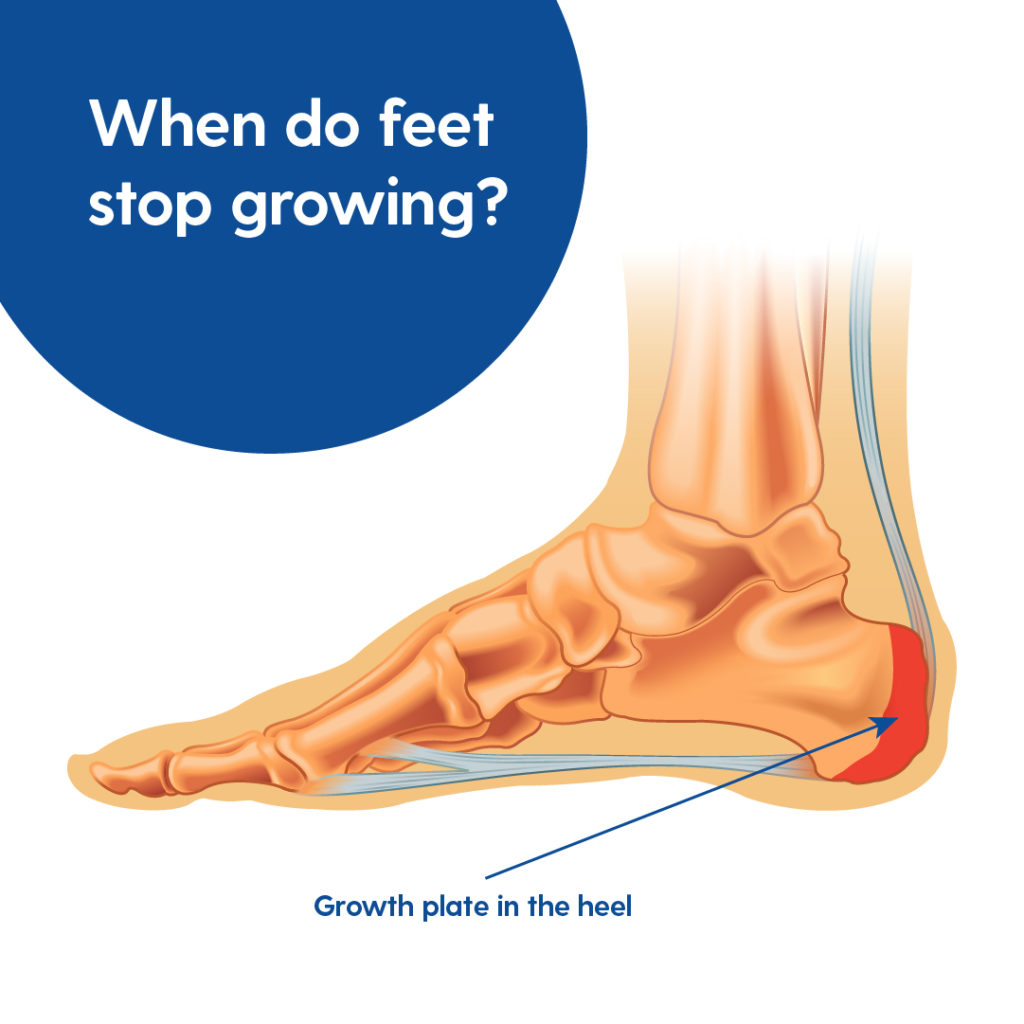
Quick anatomy lesson: every single growing bone has one or likely multiple growth plates. Growth plates are specific areas within a bone made of cartilage where the body adds new bone to. Simply put: they’re how our bones grow. In long bones like our shin bone, there’s a growth plate present at both the top and the bottom of the bone.
Traditionally, feet stop growing when our growth plates harden
When we’ve reached maturity, as determined by our body and hormones, our growth plates turn from being softer and more vulnerable to injury to hard, solid bone. This makes them indistinguishable from the rest of the bone, and the body is no longer able to add new bone cells in there to grow the bone. Hence, we stop growing.
The process of our growth plates hardening is unnoticeable and not painful or symptomatic, so you won’t even know it has happened – and unfortunately in the case of your child, you won’t know until some time passes and their feet haven’t increased in size, that it has occurred.
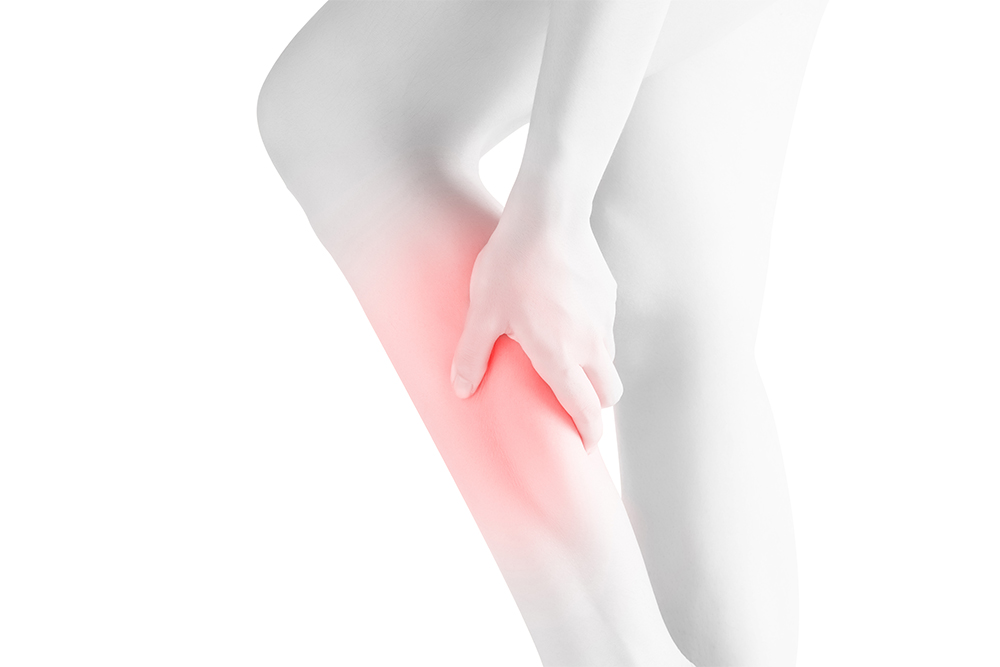
While your child’s feet are still growing and have these growth plates, they are vulnerable to problems like growing pains and fractures of the growth plate – which may even slow down the growth rate of the bone. If you’re worried about foot or leg pain in kids, bring them to your local My FootDr centre for a check up.
The magic number varies for everyone
As growth plates often close near the end of puberty, there is no magic number to work with. For some, this may be as early as 14 years, while for others, their feet may only stop growing around the age of 18 or beyond. Boys do tend to stop growing earlier than girls – but this is a generalisation. If your child is currently going through a growth spurt – their feet are almost certainly still growing.
Feet can change size in adults, but they don’t grow
When it comes to growing feet in adults, you’ll likely be right if you feel that your feet may have changed size, but this won’t actually be the feet ‘growing’. There are a number of conditions, causes and foot problems that affect the posture and alignment of the feet, which in turn affects their size. For example, if you were to go from having a nicely arched foot, to one that is significantly flatter, then your foot will be longer and wider, and you may not fit your normal shoes comfortably.
Reasons for feet changing size in adults include:
- Pregnancy – increases foot size due to the hormone Relaxin which loosens the ligaments and connective tissues, so the feet tend to flatten
- Tight, small shoes – can cause our toes to claw and therefore our feet will appear smaller due to the reduced toe length
- Thongs and similar shoes that encourage our toes to grip the ground – also encourage muscle and ligament contracture resulting in the claw or hammertoe position which can make our foot length appear smaller
- Age – from our 50’s onwards, our ligaments tend to lose some of the strength and flexibility they once had, and stretch. This means our feet can get bigger and wider
- Weight – as your weight increases or decreases, you may find that your foot size does too due to the added mass
- Swelling – a number of medical conditions, as well as lifestyle factors, can cause our feet to swell and therefore influence the size of our feet – and definitely the shoe size we need to walk comfortably
Unfortunately, when our feet flatten, the tissues, ligaments and muscles in our feet are more easily strained and overused, which can quickly lead to foot pain. This is why often use solutions like custom foot orthotics to keep feet and arches well supported, maximising comfort and reducing the risk of injury.
Worried about the changes you’re seeing in your or your child’s feet?
While changes to the feet in both adults and kids can be normal, remember that foot pain is never normal, and that if you’re worried about something you’ve noticed then trust your gut instinct and come in for a foot health check.
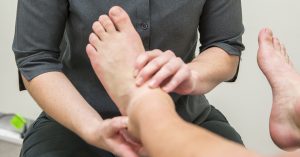
Our experienced podiatry team perform comprehensive assessments that look at everything from muscle and joint strength, flexibility and function, to a postural assessment, to a detailed video gait analysis and more. This gives us a complete picture of what’s happening with your feet – and what we can do to help.
Book your appointment online here or call us on 1800 FOOTDR



 Is there a difference between laces and slip-on shoes?



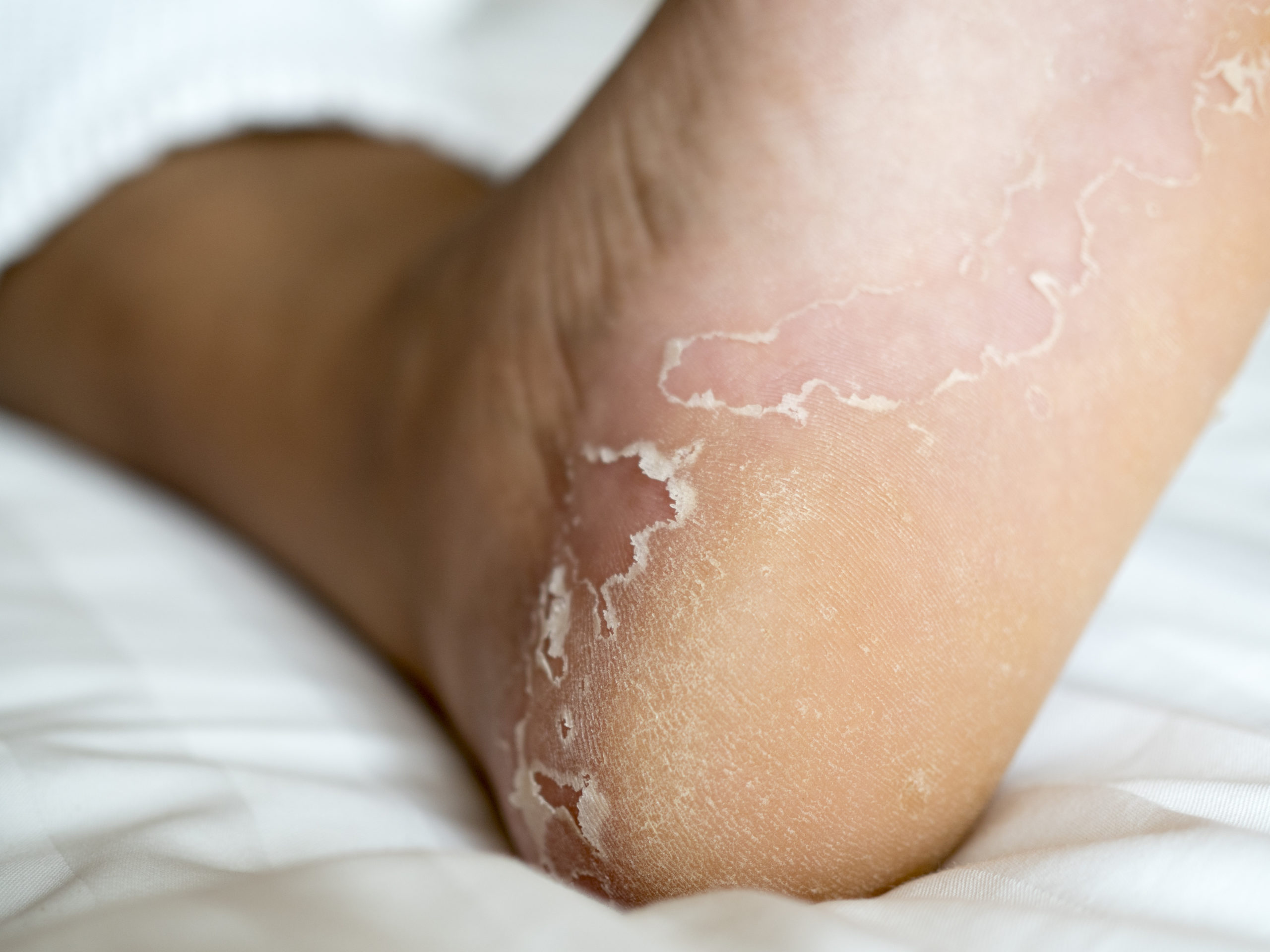
 While for some, the thought of coming home, taking off your shoes and socks and putting your feet up after a long day feels like bliss, many Australians opt to keep their feet hidden because of peeling skin on the bottoms of their feet.